
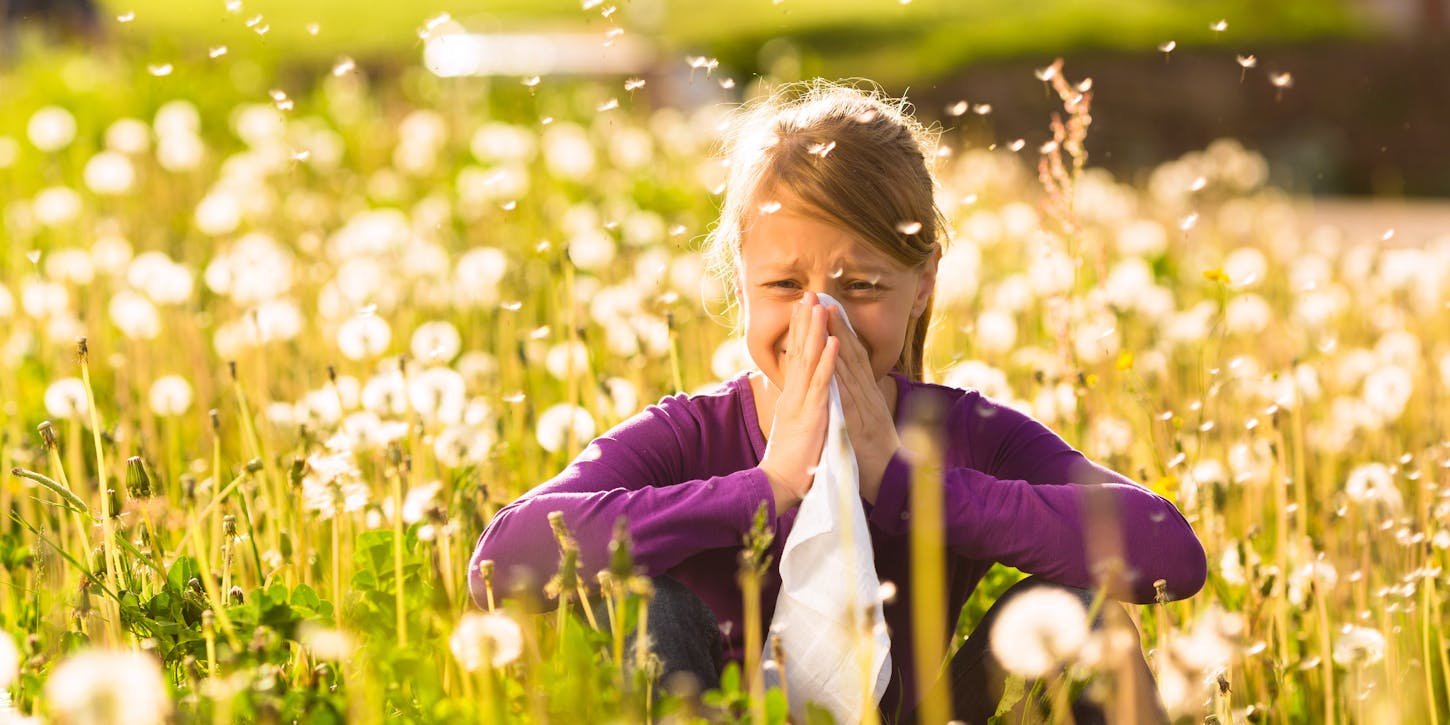
Allergy? What allergy sufferers need to know
Allergy sufferers have a lot to put up with. After all, constantly having to avoid pollen and other allergens is an almost impossible task. While the sight of flowers blooming and grasses gives some of us a reason to be happy, for anyone with a pollen allergy the spring and summer are nothing to smile about. Hay fever is by far the most widespread allergy – followed by allergies to house dust mites and animal hair. However, they all have one thing in common: the danger comes from the air.
What is an allergy?
Runny nose, constant sneezing, skin rashes, a cough and itchy swollen eyes accompanied by a constant feeling of breathlessness: these are symptoms that are part of everyday life for many of us – especially during the pollen season. For allergies are among the most common diseases of our time and are basically nothing more than a hypersensitive physical reaction to harmless environmental substances.
The substances which trigger allergies, e.g. pollen, house dust mites, animals, food or medicines, we call allergens. If they get into the body, for example through the skin or as a result of being ingested or inhaled, then the body reacts by putting up an exaggerated form of defence. And it is this overreaction to the exogenous substance that then leads to the typical allergic symptoms. According to the aha! Swiss Allergy Centre, around a quarter of the Swiss population suffer from one or more allergies – and the number is rising.
Pollen flies around in the air – practically all year round

Allergens in the air
Indoors as well as outdoors: a lot of allergens which whiz around in the air are mostly found indoors. They come from tiny house dust mites, our beloved pets and mould spores. While the occurrence of pollen is at least limited to the flowering period of the relevant plants, these indoor allergens are present more or less all year round. Besides hay fever, house dust allergy (house dust mite allergy) is one of the most common types of allergy which approximately 5 percent of the people in Switzerland suffer from. The second most common cause of allergy in homes is animal hair, e.g. from cats, dogs, guinea pigs and horses, with cats in particular causing a very high allergy risk.
Symptoms with an allergy
The symptoms experienced with an allergy can differ depending on how the allergens enter the body. In the case of pollen, animal hair or mites, these enter via the airways and sometimes via the mucous membranes in the nose and eyes. The predisposition to develop this type of allergy is often determined by our genes. In addition to the inherited risk, there are also external influencing factors which can tip any such allergic predisposition over the edge, leading to the excessive formation of certain antibodies. The result: typical symptoms ranging from a runny nose and sneezing, a scratchy throat, a cough, skin rashes, itchy swollen eyes and even asthma.

Pollen & Co. indoors
While the symptoms of hay fever, dust allergy or dust mite allergy can be treated with medication, they can also be effectively alleviated by means of preventive measures like an air purifier. That way, allergic symptoms can be significantly reduced quite easily in many situations and without any side effects. If you know what type of allergy you have, the smartest thing to do is to avoid contact with the substances you are allergic to as much as possible.
You can find out more about pollen allergies and healthy air for allergy sufferers on our information page. There you will find interesting articles on topics such as what to do about pollen in the bedroom or how you can reduce allergy symptoms with 10 measures.