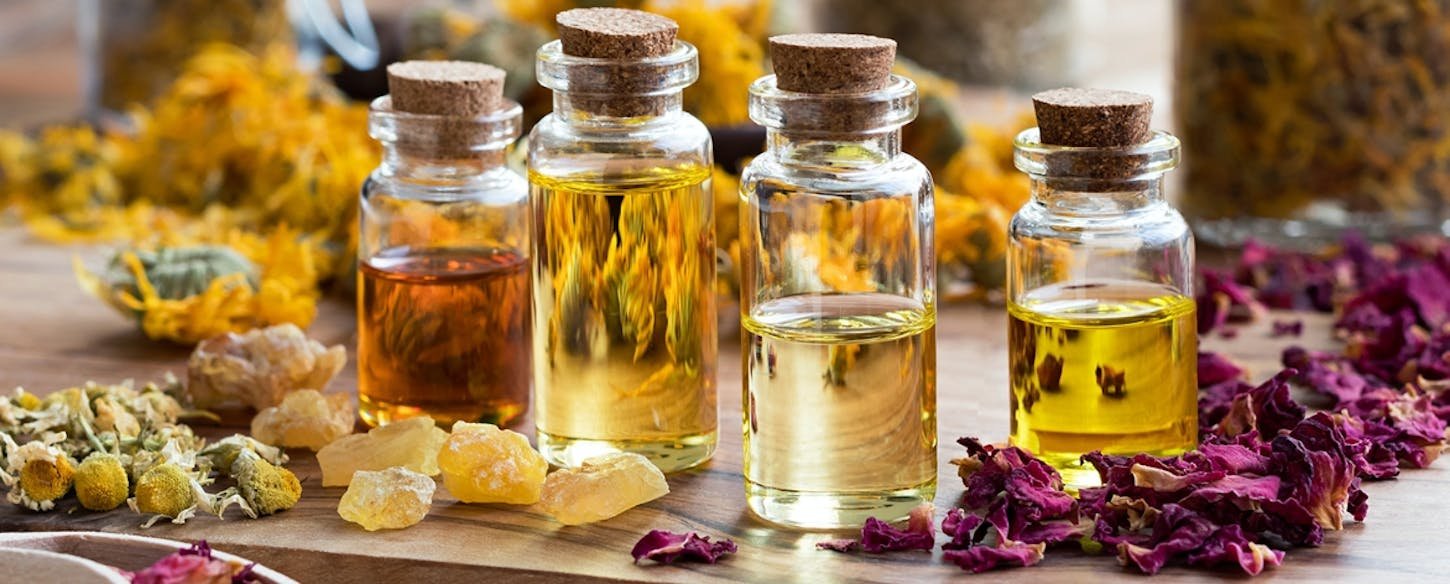
What are essential oils?
Essential oils are currently enjoying great popularity. The number of products available and possible uses has increased significantly and the market is continuing to grow. Essential oils were first used by the Egyptians thousands of years ago and over time, producing them has become a true craft. Whether they are being used to remedy health complaints, improve your own well-being or simply in the kitchen, when used correctly essential oils can bring added value to everyday life. To stop you from getting lost in this jungle of aromas, we have put together a collection of information and tips as an introduction to the world of fragrances.
Definition and extraction of essential oils
Essential oils are slightly volatile mixtures that are produced from natural or synthetic (i.e. artificial) sources. In nature, essential oils also serve to keep away parasites, attract useful insects (e.g. bees for pollination) or protect against diseases (fungal or bacterial attack).

Difference between natural and synthetic oils
Under the term “Natural Oils”, there are further designations for differentiating between oils in terms of their origin, the obtaining of extracts, properties and many other criteria. With these oils, all – or at least the majority – of the constituents are completely natural.
The most commonly used plants and their effects
There are around 120 essential oils worldwide – not including mixtures – so the choice really is enormous. Because there are so many, we have chosen a few of the most popular oils to present to you below as an introduction to the world of essential oils.
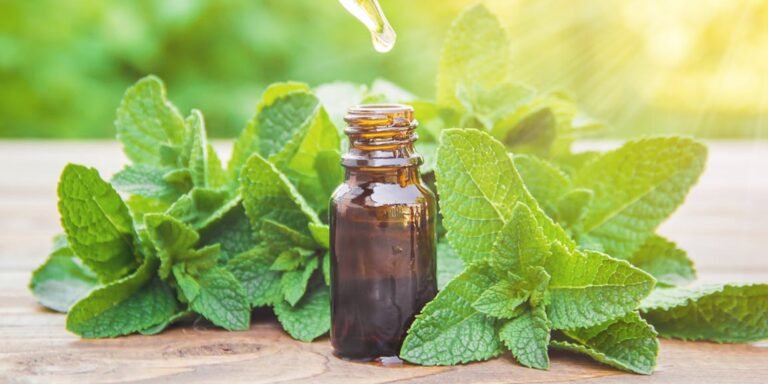
Using essential oils
The most effective way to absorb essential oils is via the skin or mucous membranes, i.e. by inhaling, ingesting or rubbing them in. Therefore it is always important to handle them carefully. Even low doses are sufficient to have a beneficial effect on health. In the right dose, these oils have such a pleasant effect that if used incorrectly or in excessively high doses, undesirable side effects such as skin irritation or even allergies can occur. That is why care should be taken during use – especially in the case of babies and children for whom certain oils such as eucalyptus and thyme are not recommended. If in doubt, we recommend that you consult a doctor or pharmacist.