
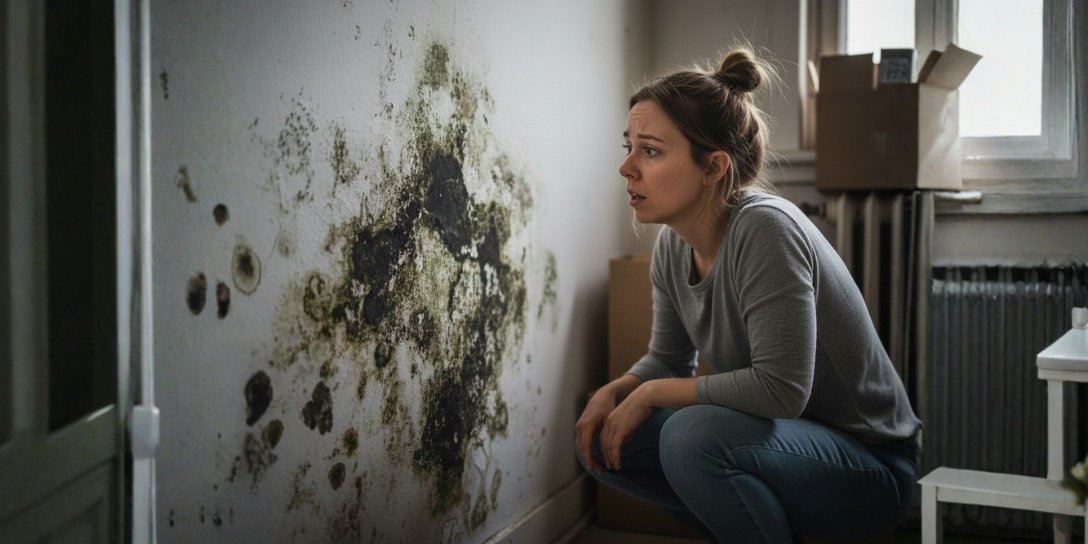
Mold Growth in UAE Indoor Spaces: Health Risks, Workplace Impact, and How Proper Humidity Control Helps
The UAE’s climate creates a unique indoor environmental challenge. While air conditioning provides cooling and comfort, it often cannot fully eliminate moisture from enclosed spaces. High humidity creates the perfect environment for mold growth, which can develop silently inside homes and offices and gradually affect both health and productivity.
Understanding the risks of mold exposure and the importance of humidity control is essential for maintaining safe indoor environments in the UAE.
Why Mold is a Common Problem in UAE Homes and Offices
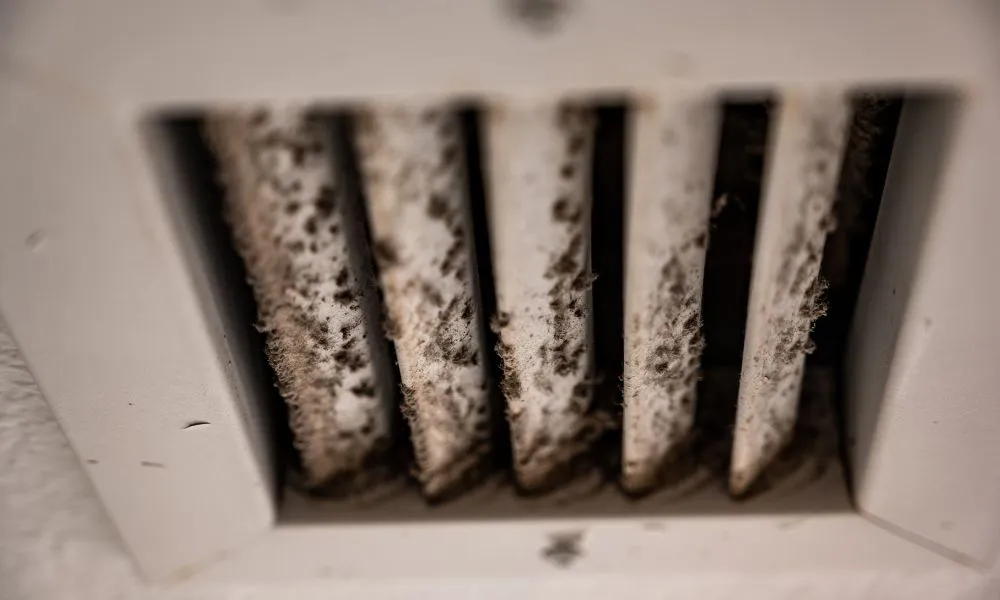
Mold thrives in environments where moisture, warmth, and poor ventilation exist. In the UAE, indoor spaces frequently experience condensation due to the difference between outdoor heat and indoor cooling. This condensation creates damp surfaces where mold spores can grow rapidly.
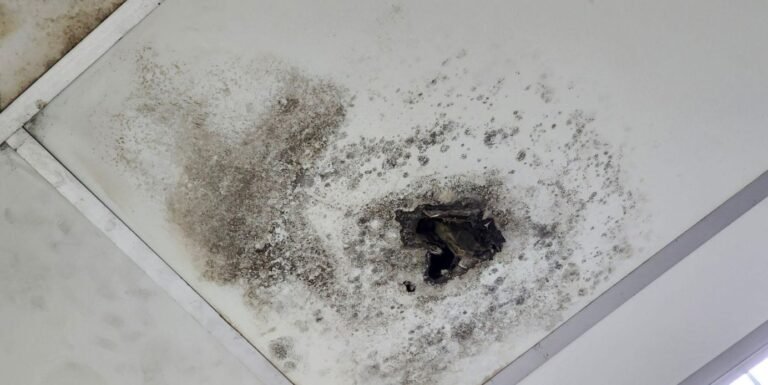
Mold often develops in hidden or overlooked areas including air conditioning ducts, ceilings, wardrobes, carpets, bathrooms, and storage rooms. Offices are equally vulnerable, especially in buildings where central cooling systems operate continuously.
Once mold spores begin spreading, they can travel through indoor air circulation systems, affecting multiple rooms or floors before becoming visible.

Medical Evidence Linking Mold Exposure to Health Problems
Medical research from organizations such as the World Health Organization and the Centers for Disease Control and Prevention confirms that mold exposure can significantly impact human health, especially in enclosed indoor environments.
Respiratory Conditions and Allergies
Mold releases microscopic spores into the air. When inhaled, these spores can irritate airways and trigger allergic reactions. Studies show that individuals exposed to indoor mold may experience symptoms such as persistent coughing, wheezing, nasal congestion, throat irritation, and eye discomfort.
People with asthma are particularly vulnerable. Mold exposure can increase asthma attacks and worsen breathing difficulties, especially in humid climates where mold growth occurs faster.
Increased Risk of Chronic Sinus and Lung Infections
Long-term exposure to mold spores has been linked to chronic sinus infections and lung inflammation. Medical research suggests that damp indoor environments can contribute to recurring respiratory infections, particularly in children, elderly individuals, and people with weakened immune systems.
Impact on Mental and Physical Wellbeing
Beyond respiratory issues, mold exposure is associated with headaches, fatigue, and difficulty concentrating. In office environments, this can reduce productivity and increase employee sick leave.
Indoor environmental quality studies show that prolonged exposure to damp workplaces can negatively influence cognitive performance, comfort levels, and overall workplace efficiency.
Why Mold is a Common Problem in UAE Homes and Offices
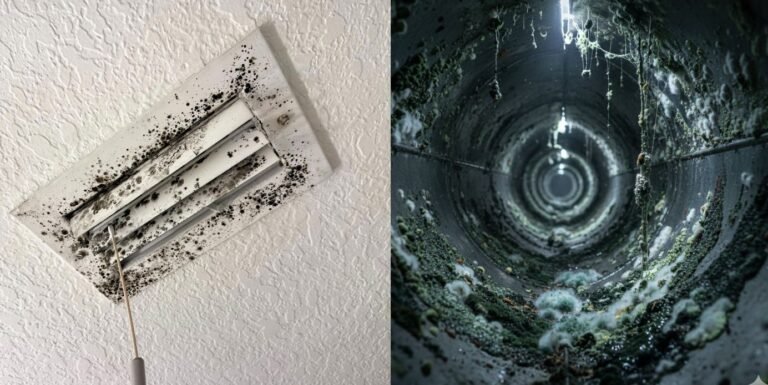
Offices with hidden mold growth can create what environmental experts refer to as “Sick Building Syndrome.” Employees working in affected spaces may experience frequent respiratory symptoms, headaches, or fatigue without immediately recognizing mold as the cause.
In humid regions like the UAE, mold in office ventilation systems can spread spores throughout entire floors or buildings. This not only affects employee health but can also lead to operational disruptions and costly remediation processes.
Businesses increasingly recognize indoor air quality as a critical factor in employee wellness and long-term productivity.
Why Controlling Humidity is the Most Effective Mold Prevention Strategy
Mold requires moisture to grow. Research shows that mold development accelerates when indoor humidity rises above 60 percent. Maintaining humidity levels between 40 and 50 percent significantly reduces the likelihood of mold formation.
Air conditioners alone cannot always maintain consistent humidity levels, particularly in large spaces or rooms with limited airflow. This is why dedicated humidity control solutions play an important role in preventing mold growth.
By actively removing excess moisture from indoor air, dehumidifiers reduce the conditions mold requires to survive.
A Swiss-Engineered Solution Designed for Humid Climates
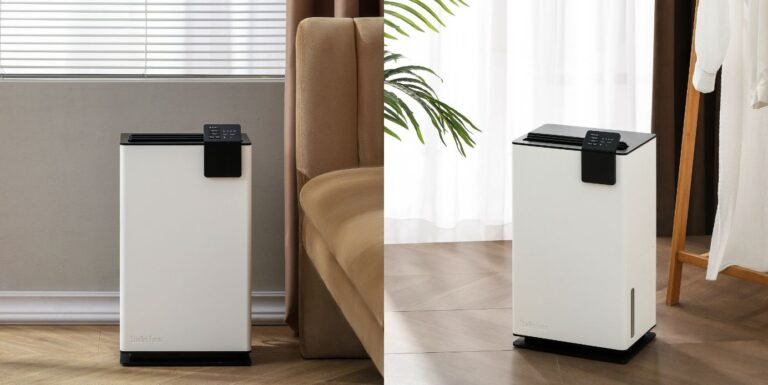
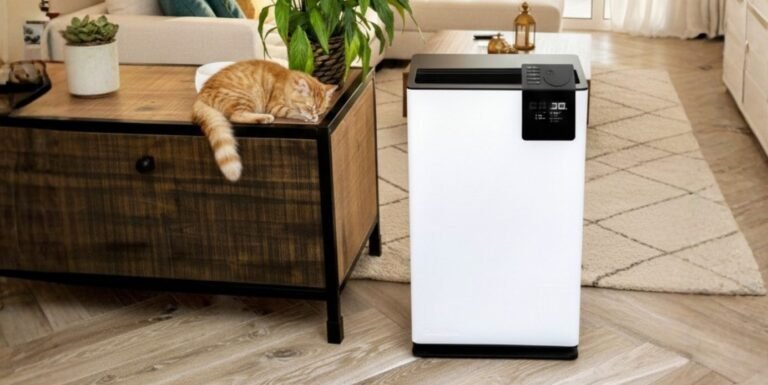
One premium humidity control solution widely recognized for performance and design is the Albert dehumidifier by Stadler Form. Built with Swiss engineering precision, Albert is designed to manage high moisture environments efficiently, making it particularly suitable for UAE residential and commercial spaces.
Albert works by maintaining balanced humidity levels that help prevent mold formation before it starts. Its powerful extraction capacity helps protect indoor air quality, while its quiet operation allows it to function comfortably in bedrooms, offices, and shared living spaces.
The unit also features energy-efficient operation, helping reduce overall cooling load when used alongside air conditioning systems. This combination improves indoor comfort while supporting healthier breathing environments.
Preventing Mold Before It Becomes a Health Hazard
Preventing mold is significantly easier and more cost-effective than removing it after contamination spreads. Maintaining stable humidity, improving ventilation, and using reliable moisture control solutions can dramatically reduce health risks associated with indoor mold exposure.
In climates like the UAE, where humidity remains a year-round challenge, proactive moisture control helps protect families, employees, and building infrastructure.
Conclusion
Mold growth is more than a cosmetic issue. Medical research consistently shows that prolonged exposure to mold can lead to respiratory illnesses, allergic reactions, chronic infections, and reduced workplace productivity. In humid climates such as the UAE, controlling indoor moisture is essential for maintaining safe and healthy environments.
By managing humidity levels effectively and using high-performance dehumidification solutions, residents and businesses can significantly reduce mold risks. Swiss-designed Albert represents a reliable solution for those seeking long-term protection against humidity-related health and building concerns.