The Silent Enemy on Dubai’s Yachts — And the Machine That Keeps It Away
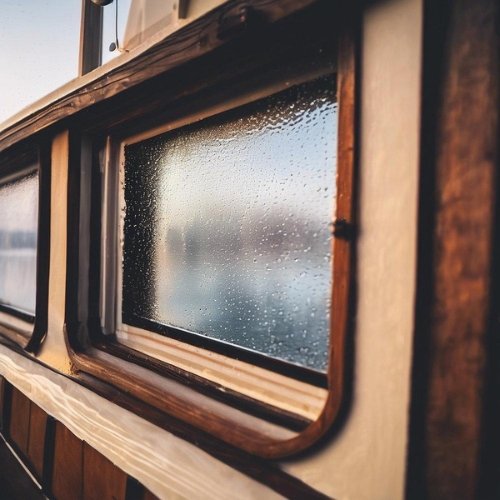
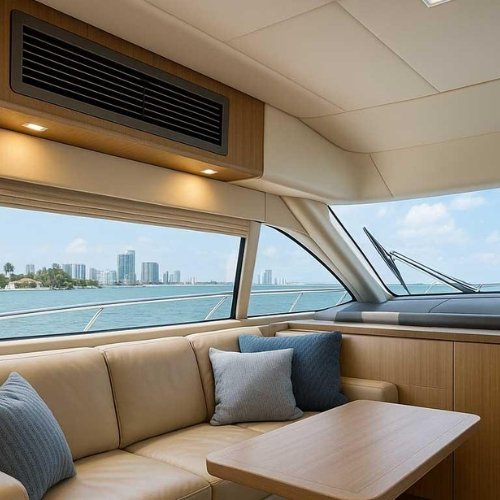
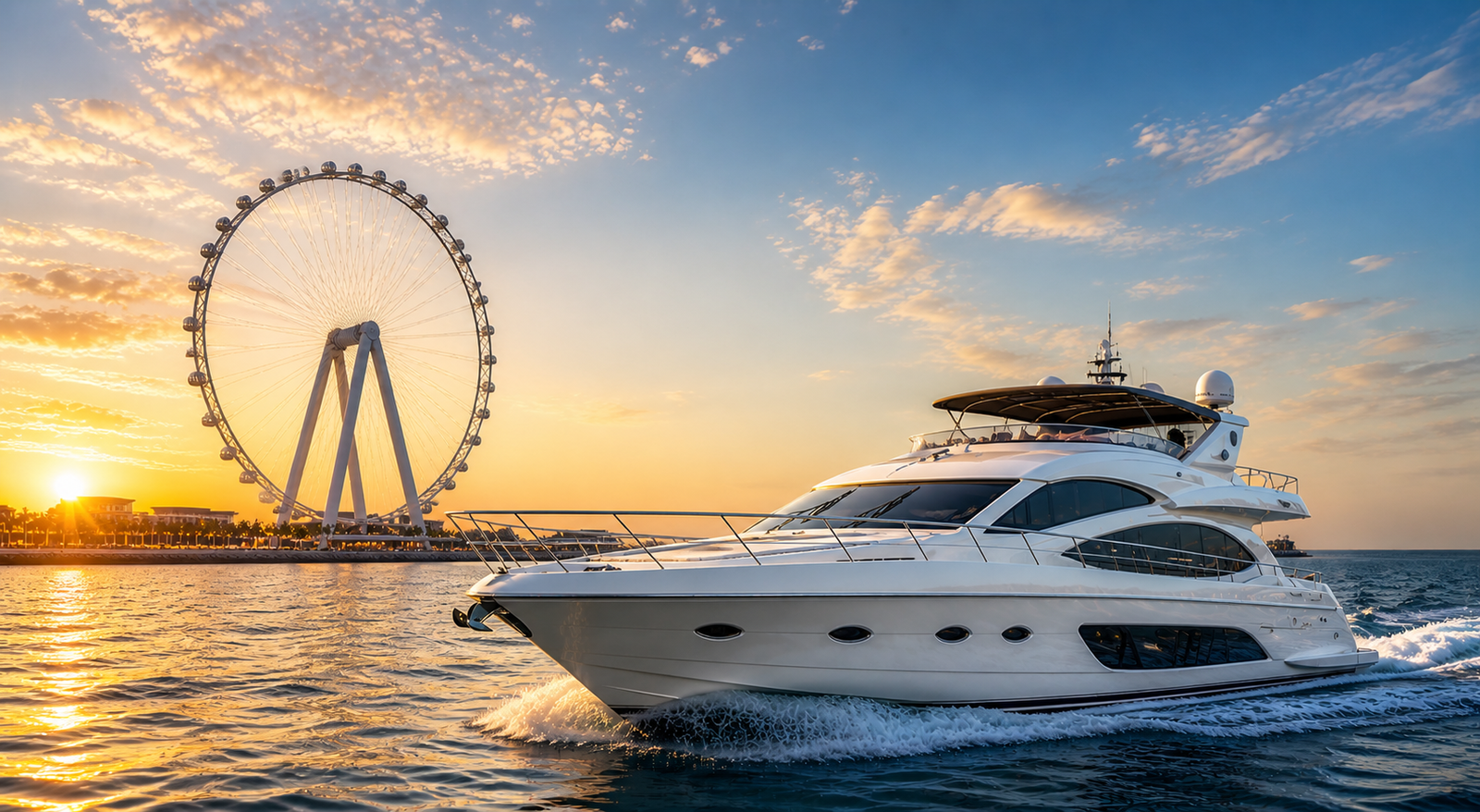
Dubai sells a dream that glitters on water. Step into the marina at sunset and you’ll see it — polished hulls, teak decks glowing amber, glass cabins reflecting a skyline that feels almost too perfect to be real. But step inside one of those yachts in the middle of July, when the air feels thick and unmoving, the story changes quickly.
Humidity doesn’t announce itself. It settles.
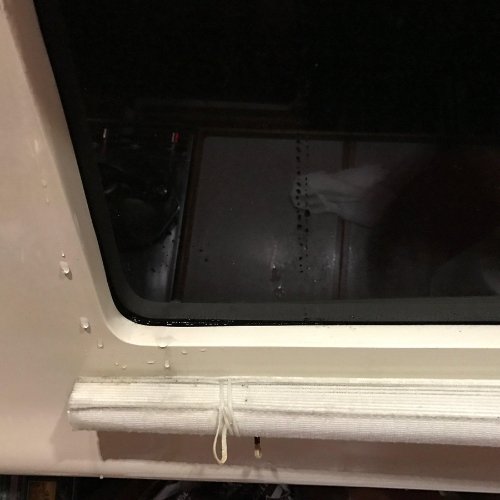
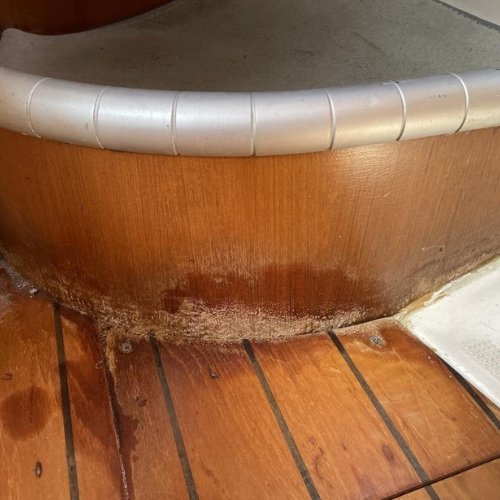
It settles into the leather before you notice the slight stickiness under your hand. It creeps into wood panels, quietly swelling and shifting what was once perfectly aligned. It clings to the air conditioning vents that are working overtime but never quite winning. And then one day, it reveals itself — a faint, stale odor that signals something deeper. That’s when you realize you’re not just maintaining a yacht anymore. You’re fighting the air inside it.
When Moisture Turns Against the Interior
Dubai’s coastal climate is relentless. High temperatures are one thing, but it’s the humidity — often peaking during summer — that becomes the real adversary. Inside a yacht, where airflow is limited and spaces are enclosed, moisture has nowhere to escape. It lingers and slowly attacks from within.
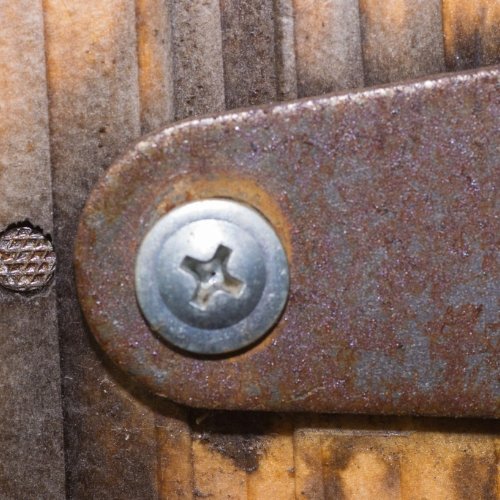
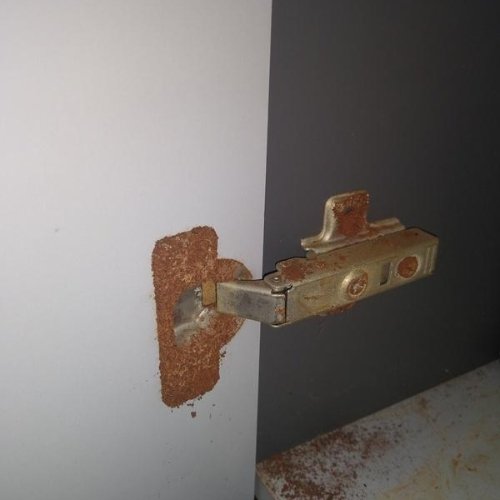
You begin to notice it in the smallest details. Interior hinges start to resist. Cabinet screws lose their clean finish and show early signs of corrosion. Metal latches that were once polished now carry a dull, uneven texture. These aren’t external damages caused by sea spray. This is internal deterioration, driven purely by trapped humidity.
Then comes the mold.
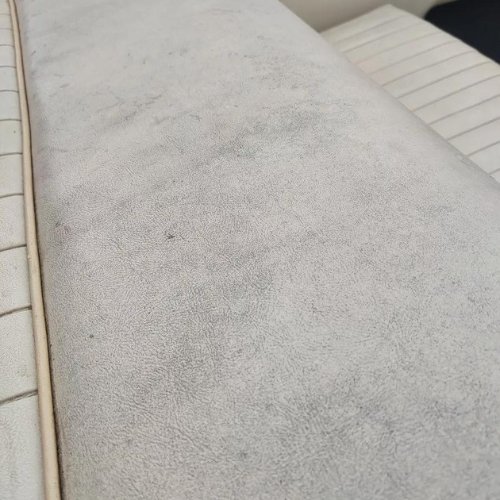
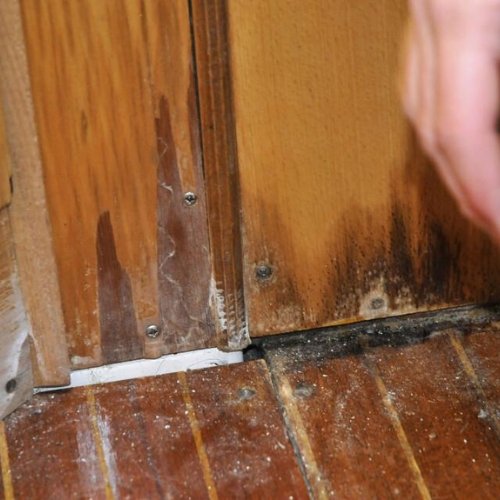
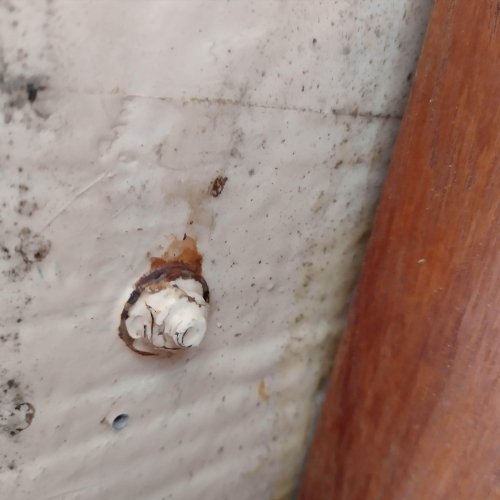
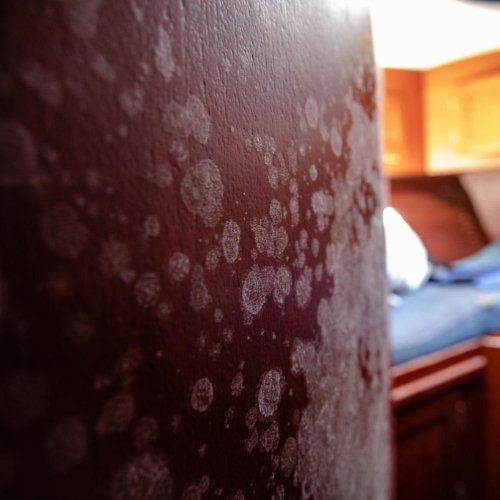
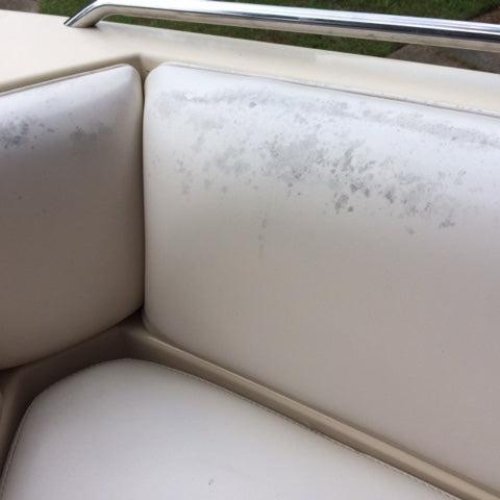
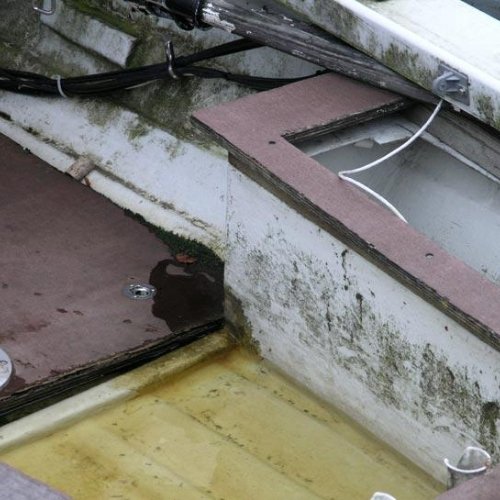
It hides behind panels, under cushions, inside wardrobes — feeding on moisture that never leaves the space. What begins as a faint smell quickly turns into visible patches, staining fabrics and embedding itself into surfaces. By the time it’s noticeable, it’s already deep within the materials.
For yacht owners in Dubai, this isn’t just maintenance. It’s loss. A yacht is a serious investment, built for comfort and prestige. Watching it degrade from the inside, without even using it, feels like something is constantly working against you.
Air conditioning alone doesn’t solve this. It removes some moisture as it cools, but on a closed boat it may not hold the desired relative humidity between cooling cycles – and a yacht interior needs it held. That’s where the conversation shifts — from cooling to control.
Health and Comfort: More Than Just Cooling
Sustained humidity above 60 % also creates the conditions in which mould and dust mites thrive – something health authorities such as the US EPA associate with respiratory symptoms in damp indoor spaces. For families who spend weekends aboard, that is one more reason to keep the cabin dry.
Comfort is also impacted. Even at lower temperatures, high humidity makes the air feel warmer than it actually is. This forces air conditioning systems to work harder, increasing energy consumption and electricity costs. A properly balanced indoor environment is not just about cooling, but about removing excess moisture.
The Shift from Cooling to Protection
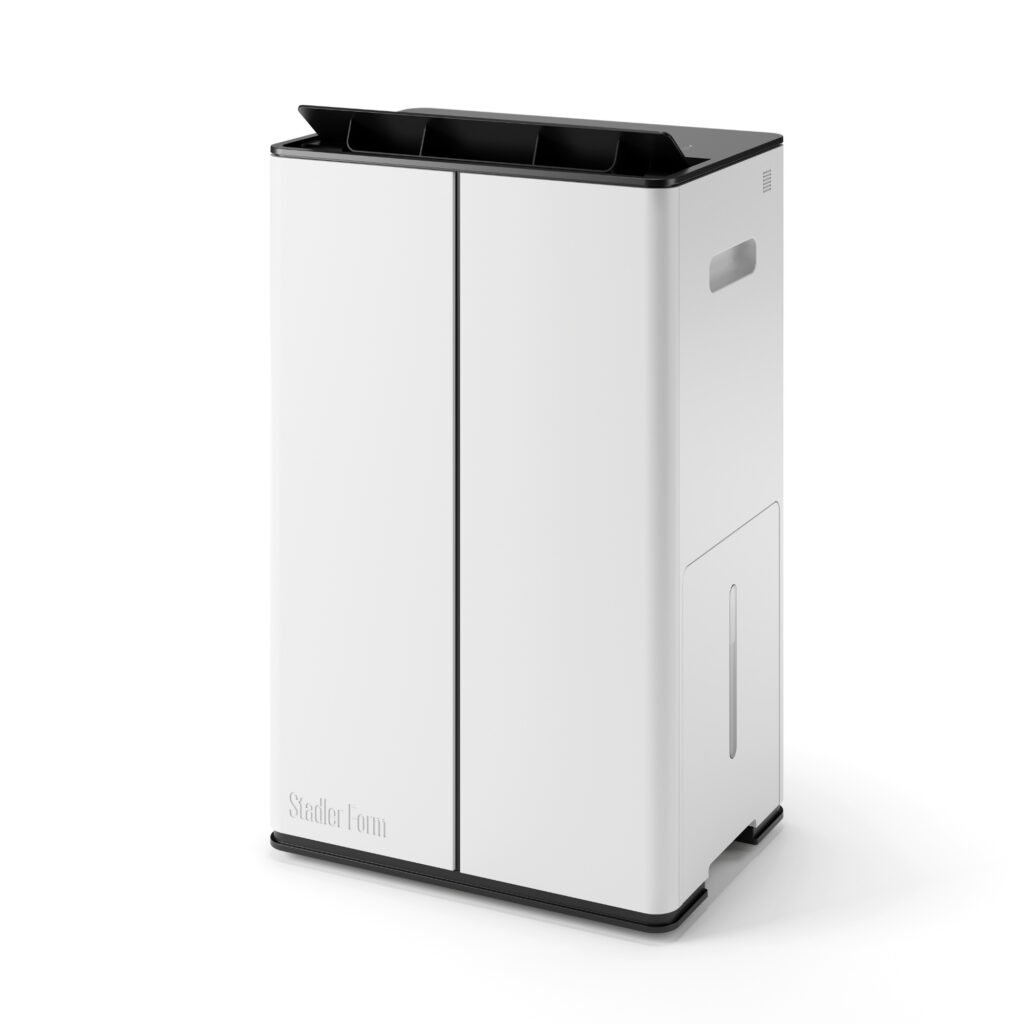
A dehumidifier like Lukas isn’t about luxury. It’s about preservation.
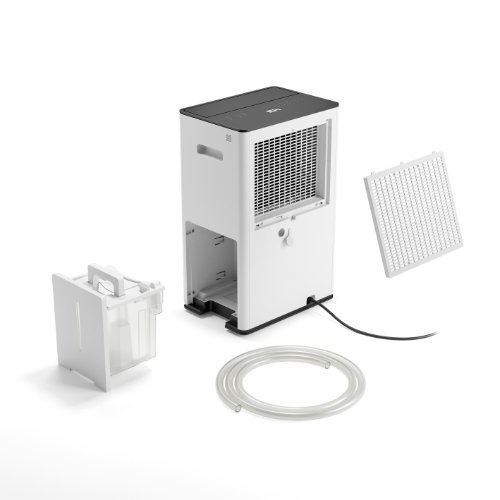
Placed inside the cabin, it quietly extracts excess moisture from the air, preventing it from settling into surfaces. The difference is subtle at first. The air feels lighter. The smell never develops. Surfaces remain dry even after days of being closed.
Over time, the real impact is seen in what doesn’t happen. No rust forming on interior fittings. No mold spreading across cushions. No hidden damage building up behind panels.
In Dubai, where humidity is part of daily life, especially during summer, controlling the indoor environment of your yacht becomes essential. It’s not about reacting to problems. It’s about preventing them entirely.
Because the real goal isn’t just to own a yacht that looks perfect from the outside. It’s to step inside, even after weeks in the heat, and find it exactly as it should be — dry, fresh, and untouched.
Protect What You’ve Invested In
If your yacht spends even a few days closed in Dubai’s summer, moisture is already working against you.
The Lukas Dehumidifier from Stadler Form is designed exactly for environments like this — compact enough for cabins, powerful enough to control humidity before it turns into damage.
It doesn’t just improve comfort. It protects interiors, preserves materials, and ensures your yacht stays exactly as you left it.
Because in a climate like Dubai, the smartest upgrade isn’t what you add.
It’s what you prevent.
Frequently asked questions
Yes, inside the cabin or saloon, as long as it is used as the manual specifies: indoors, on a level surface, away from spray and wet areas, with the drainage hose routed to a suitable outlet or the tank emptied regularly. Stadler Form dehumidifiers are household appliances, not marine-certified equipment, so they belong in the interior, not on deck.
Stadler Form Lukas (20 L/day, rooms up to 70 m², 38–52 dB(A), Wi-Fi app) fits most cabins and saloons and can be monitored remotely when the boat sits unused; for a large saloon or enclosed area above 70 m², Lukas Pro (50 L/day, 175 m², HEPA filter) is the higher-capacity option. Both carry Stadler Form UAE’s service-centre support.