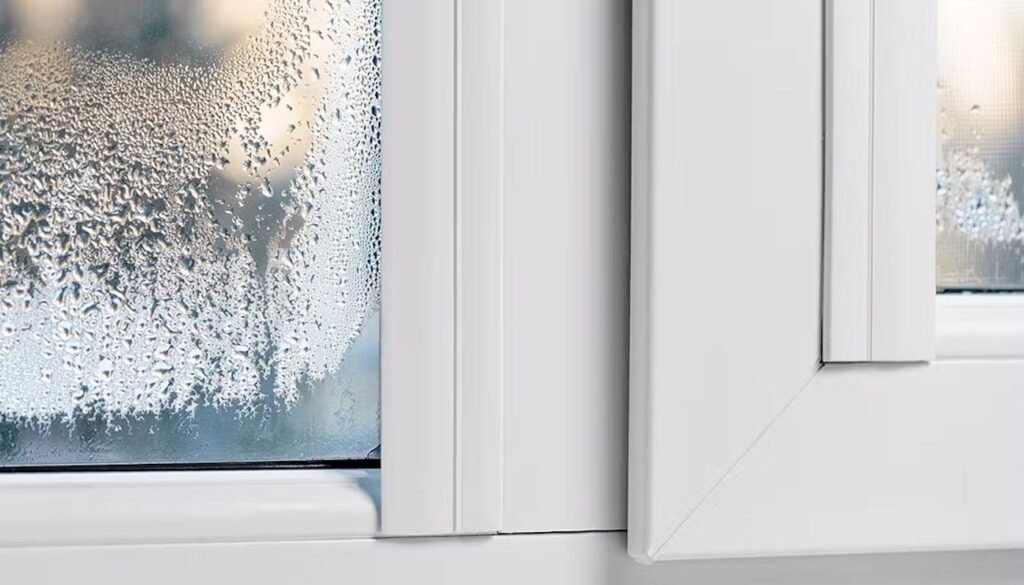
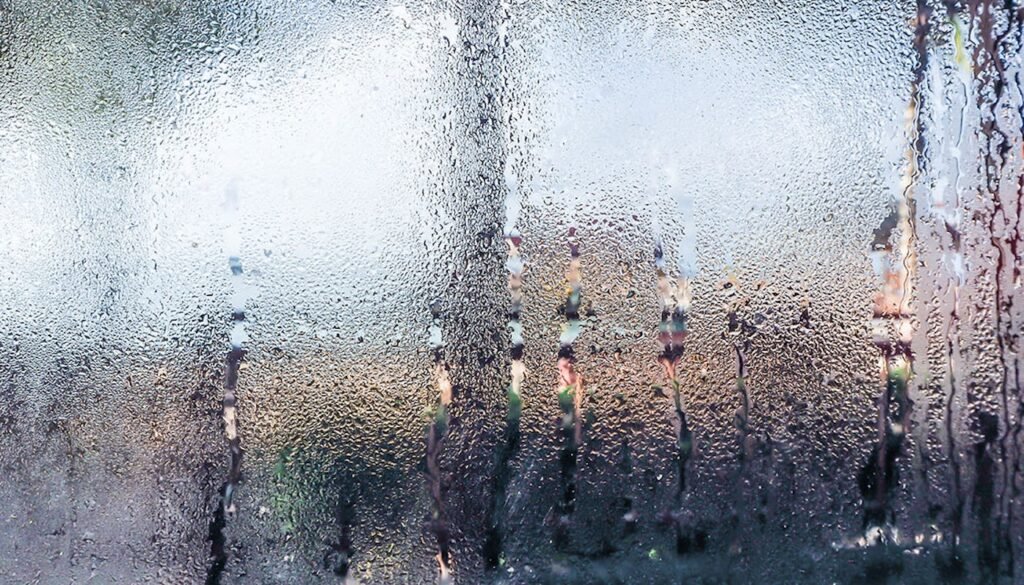
Air that is too humid is harmful to our health and can also damage furniture or other objects. If the air is too humid, mould can form. This is particularly bad for allergy sufferers. On our page, you will find more information about what the problem of too humid air is and how air can be dehumidified easily and efficiently.
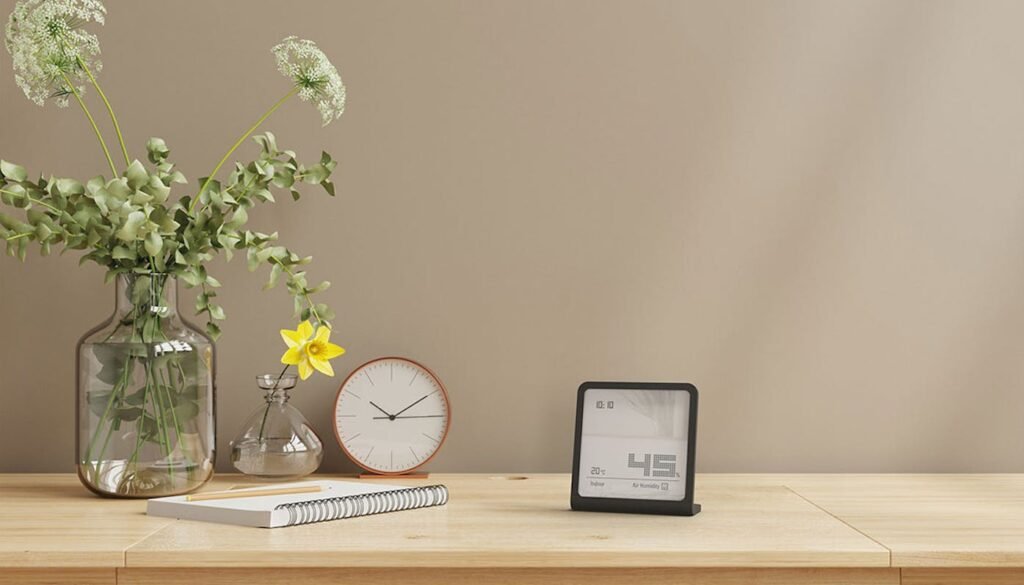
At high temperatures, the humidity in the air increases. This is because warm air can absorb more water vapour. However, excessive humidity can also occur if heating is too economical in winter. You can find out more about this in our article “How economical heating can lead to the formation of mould”. Indoor air is considered too humid if the relative humidity value is permanently above 60 %
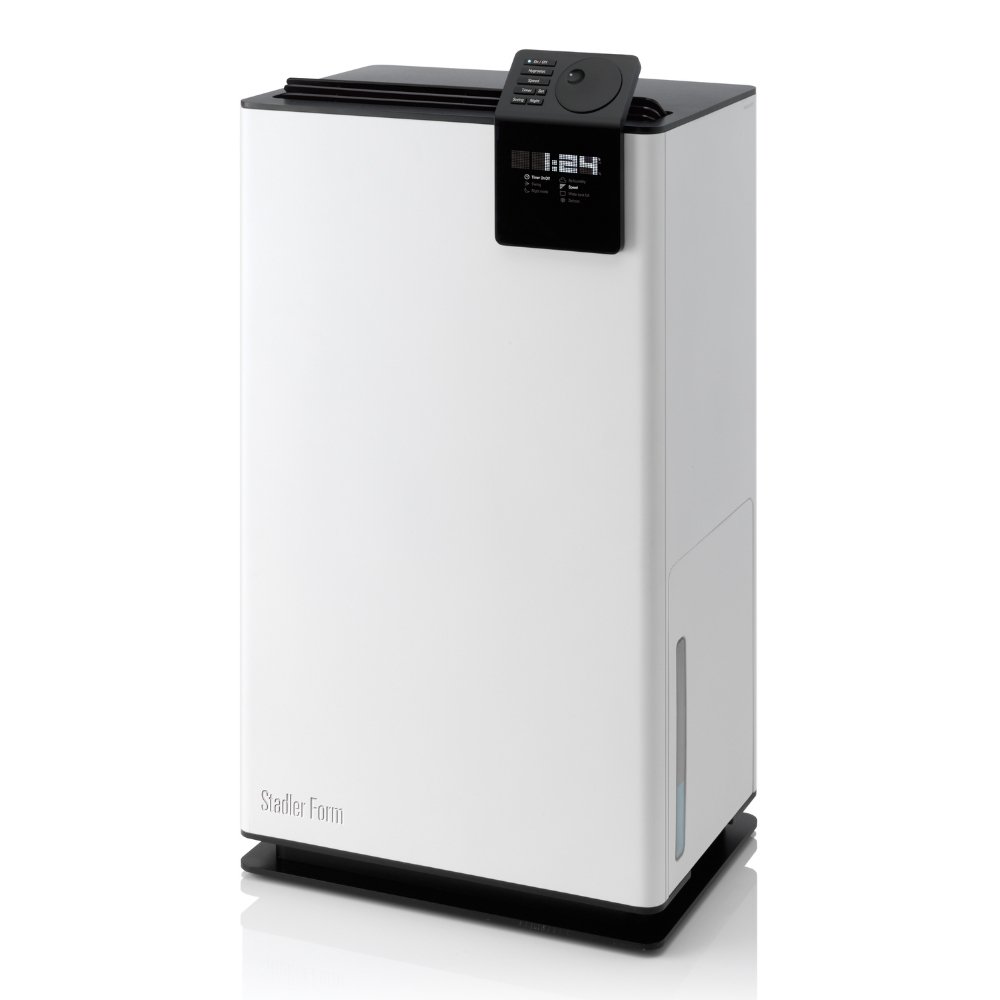
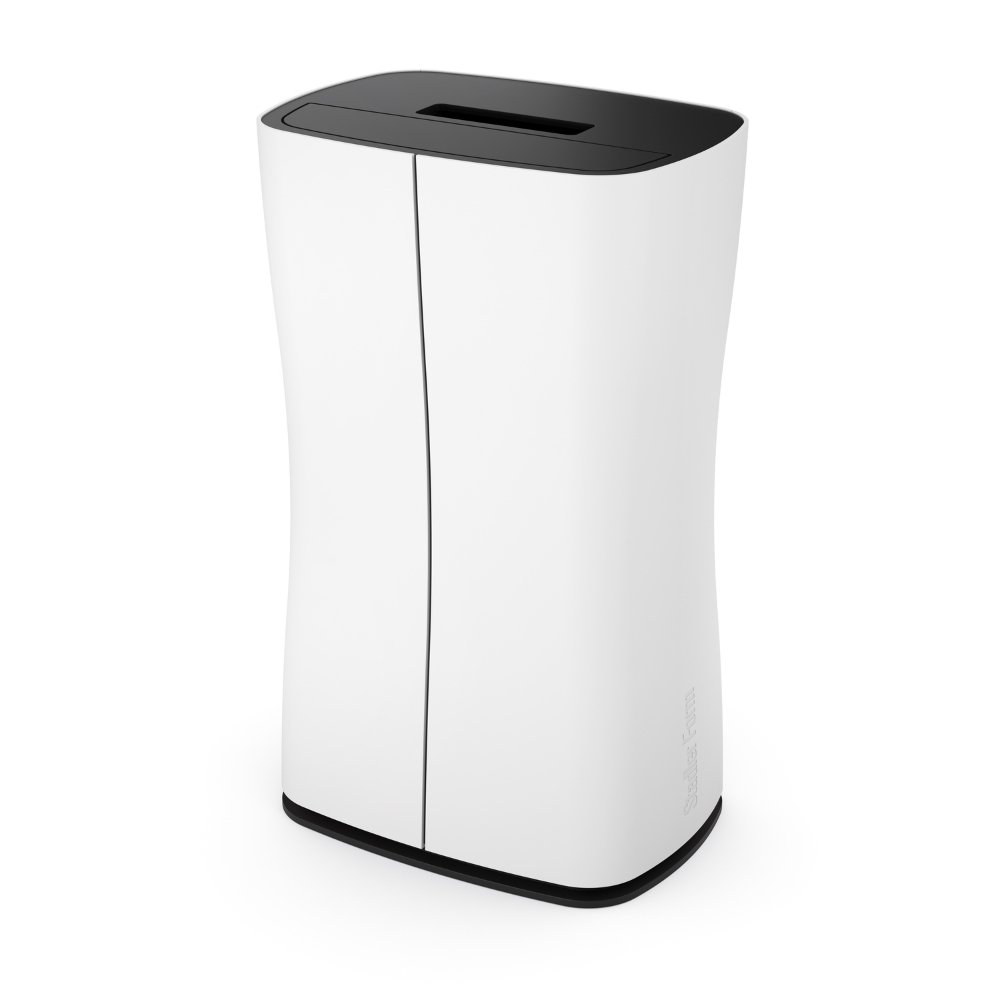
If measures such as airing the room, running the ventilation in the bathroom after showering, not drying laundry in the flat, etc. do not help, it is time to take action. The best solution for dehumidifying the home is a dehumidifier. A mobile appliance that can be used in different rooms is an advantage – such as the practical appliances from Stadler Form with transport castors.
If the cellar is too damp, there is a risk that all the furniture and goods stored in it may be damaged or become completely unusable. A first indication of excessive humidity can be a musty, unpleasant odour. Mould can quickly form and spread. However, it is not only the goods that are at risk; if you stay in a mould-infested cellar for a longer period of time or use items stored there later in your home, this can lead to health problems. This risk also exists in storage rooms, garden sheds, hobby rooms, etc.
The more humid the air, the slower the laundry dries. In addition, the drying room is occupied for longer and it can take longer before the next load of laundry can be hung up.
New buildings are often occupied immediately after completion. Too little time is allowed for drying the building, especially the walls. As a result, the humidity is often too high in all rooms for the first few years. The occupants, furniture, instruments, paintings and textiles are permanently exposed to excessively humid air and can be damaged.
We often don’t realise that it has been too damp in the flat or house for a long time. As with new buildings, furniture, textiles and wooden musical instruments absorb this moisture and can be damaged. Mould can form, posing a health risk to the people and animals living in the home.
There are various types of dehumidifiers that function differently. A basic distinction is made between condensation/compression dryers, peltier dehumidifiers, absorption dryer and desiccant dryer. Many people believe that a fan cools the air. This is wrong. A fan relies on natural air circulation and does not actively cool the air in the room. Nevertheless, fans do provide refreshment, as the air flow blows away the warm, insulating layer around the skin and the sweat on the skin can be removed more easily.
If you have any questions about our online shop, are looking for personalised advice from our indoor climate professionals or have a repair order ready for us - we will be happy to assist you before and after your purchase.
Free shipping for orders AED 150 above
15 Days UAE Return Policy
2 year warranty with own service center
Personal purchase advice by phone or live chat
PRO TECHnology
204 Aswar Building,
Business Bay,
Sheikh Zayed Road, Dubai,
United Arab Emirates
WhatsApp us