

Dehumidifier Use in the UAE: Protecting Your Home from Humidity While You Travel
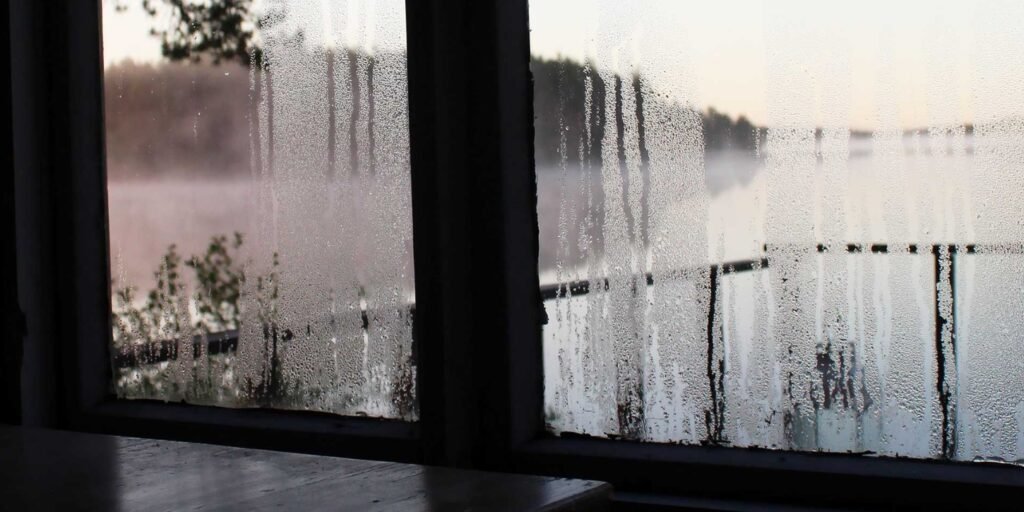
The climate in the United Arab Emirates is characterized by high temperatures and elevated humidity levels for a significant portion of the year. While air conditioning systems help regulate temperature, they may not maintain the desired indoor relative humidity under every operating condition, particularly when a property is left unoccupied. As a result, humidity can accumulate indoors, creating conditions that lead to mold growth, unpleasant odors, and long-term damage to interiors.
For residents and property owners in Dubai, Abu Dhabi, and across the UAE, this becomes especially problematic during extended travel periods. Homes that remain closed for weeks or months are highly susceptible to moisture buildup, even if they appear well-sealed and maintained.
What Happens When a Property Is Left Closed
When a home is left unattended, natural ventilation is reduced and indoor air becomes stagnant. If air conditioning is switched off or used minimally, humidity levels rise quickly. This environment accelerates the formation of mold and mildew, particularly on walls, ceilings, fabrics, and within enclosed spaces such as wardrobes and cabinets.
Over time, the excess moisture is absorbed by furniture, flooring, and soft materials, resulting in persistent musty odors that can be difficult to eliminate. Wooden surfaces may begin to warp, paint can deteriorate, and stored belongings may suffer irreversible damage. Upon returning, many homeowners find that their space feels damp, smells stale, and requires cleaning or restoration.
Continuous Dehumidification as a Long-Term Solution
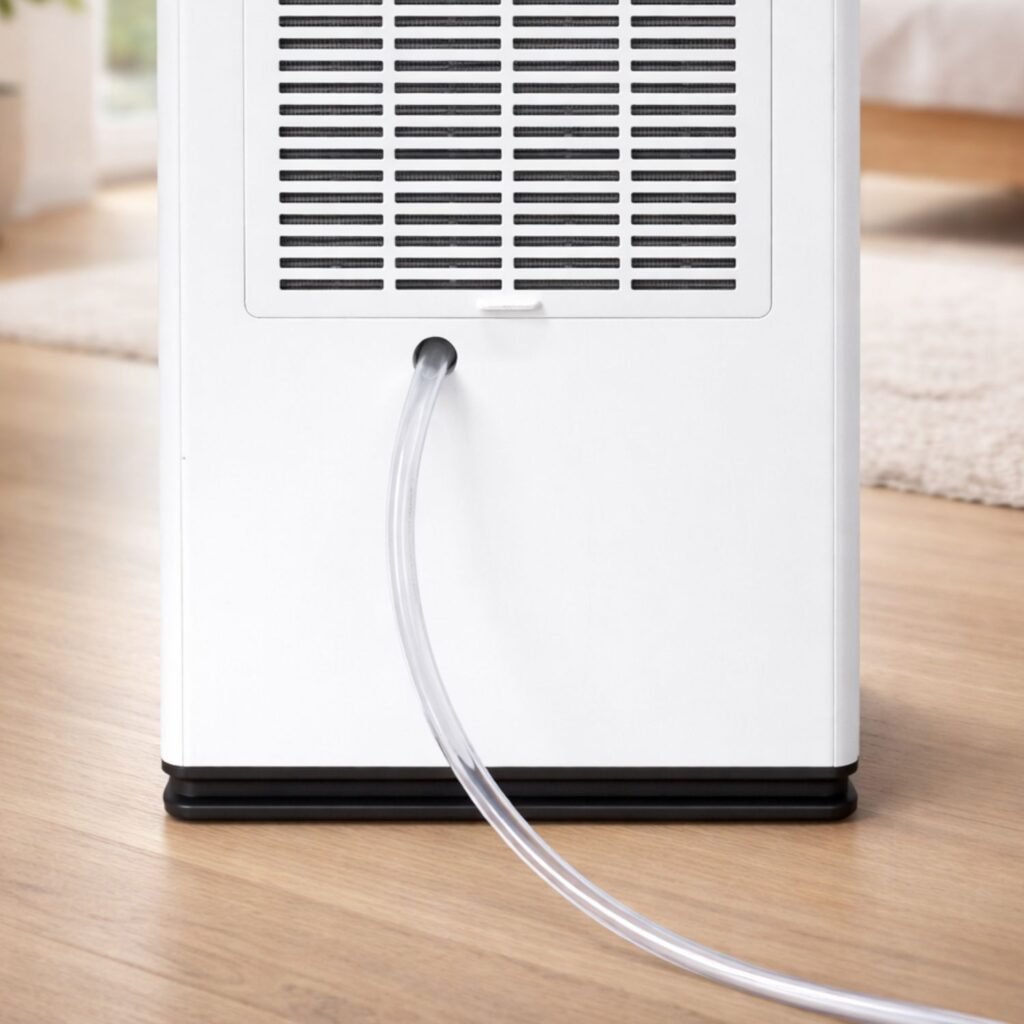
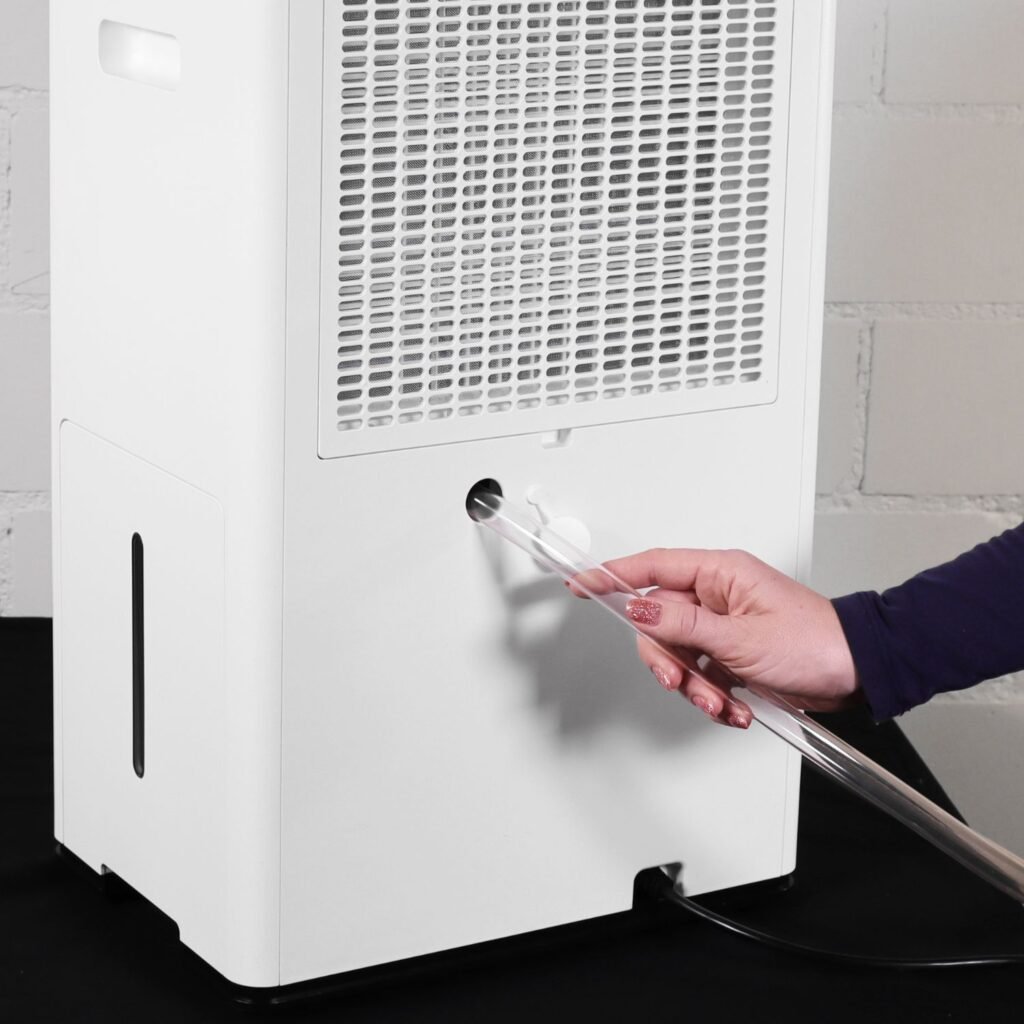
A dehumidifier with a continuous-drainage hose and a digital hygrostat can run for the whole absence. Set the target humidity (around 50 %), route the included hose to a floor drain or outlet, place the unit on a level surface in the most humid zone with interior doors open, and it switches itself on and off as needed. Follow the manual’s instructions for unattended operation, and with a Wi-Fi model you can check the humidity from the app while you are away.
This is especially valuable for homeowners who travel frequently or leave properties vacant for long periods. By holding humidity in range throughout the absence, the dehumidifier helps reduce the conditions that lead to mould growth, odours and material damage, regardless of occupancy.
Benefits of Using a Dehumidifier While Traveling
Using a dehumidifier in a UAE home offers several long-term advantages, particularly when the property is unoccupied. Maintaining balanced humidity levels helps preserve indoor air quality and reduces the risk of returning to a musty or unpleasant environment. It also plays an important role in helping to prevent mould formation, which can otherwise spread quickly in humid conditions and damage interiors.
In addition, controlled humidity protects valuable interiors, including wooden furniture, wall finishes, and decorative elements. Electronics and stored items are also less vulnerable to moisture-related damage. Overall, the use of a dehumidifier provides peace of mind, ensuring that the home remains in optimal condition even during extended periods of absence.
Ideal Applications Across the UAE
Dehumidifiers are particularly beneficial for apartments, villas, and holiday homes that are not occupied year-round. They are equally valuable in storage areas, offices during closure periods, and rooms with limited ventilation. In cities such as Dubai and Abu Dhabi, where humidity levels fluctuate but remain consistently high indoors, this solution is increasingly considered essential rather than optional.
Lukas & Albert Dehumidifiers: Designed for UAE Living
For homeowners seeking a reliable and efficient solution, Lukas and Albert dehumidifiers offer a combination of performance, design, and practicality. These units are engineered to handle demanding humidity conditions while maintaining quiet operation suitable for residential environments.
A key advantage of Lukas and Albert models is the availability of continuous drainage through a hose connection, allowing uninterrupted operation during travel or extended absence. Their modern design integrates seamlessly into contemporary interiors, while their energy-efficient performance ensures long-term usability.
Conclusion
Managing indoor humidity is a critical aspect of maintaining property quality in the UAE, particularly for those who travel frequently or leave their homes unoccupied. Without proper control, moisture buildup can lead to mold, odors, and material damage that compromise both comfort and value.
By investing in a dehumidifier with continuous drainage capability, homeowners can ensure that their spaces remain fresh, protected, and ready upon return. Lukas, Albert and Lukas Pro provide a dependable way to maintain ideal indoor conditions, offering both convenience and long-term peace of mind in the UAE climate.
Frequently asked questions
Set a dehumidifier with a hygrostat to around 50 %, connect its drainage hose to a floor drain so the tank never fills, leave interior doors open so air can circulate, and – with a Wi-Fi model such as Stadler Form Lukas or Lukas Pro – check the humidity from the app while you travel. Follow the manual’s instructions for unattended operation.
For a whole villa floor or open-plan space: Stadler Form Lukas Pro (rated up to 50 L/day, rooms up to 175 m², Wi-Fi, hose included, five-year warranty). For an apartment or single room: Lukas (20 L/day, Wi-Fi) or Albert (20 L/day, the quietest). All include a drainage hose for continuous operation.