
The Importance of a Dehumidifier in Music Studios and Production Houses in the UAE
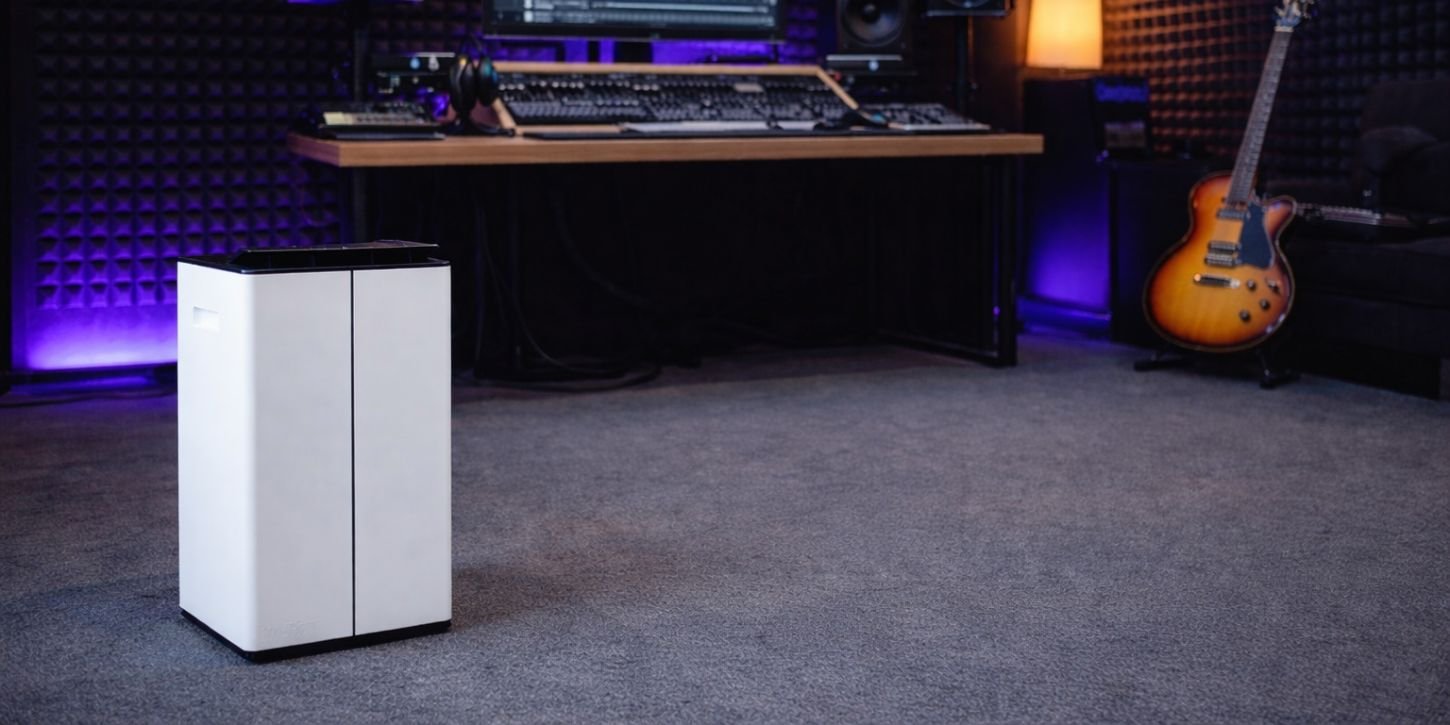
Running a music studio in the UAE means managing humidity as carefully as acoustics. In Dubai, Abu Dhabi and other coastal cities, indoor humidity can climb above 60 % in summer, and wooden instruments, microphones and consoles react to it. A dehumidifier for a recording studio has to do two things at once: hold humidity steady and stay quiet enough to run while you record. This article explains what humidity does to studio equipment and which Stadler Form model suits which room – the quiet Albert for control rooms and booths, and the high-capacity Lukas Pro for large live rooms and production floors.
The UAE’s Humid Climate and Its Effect on Studios


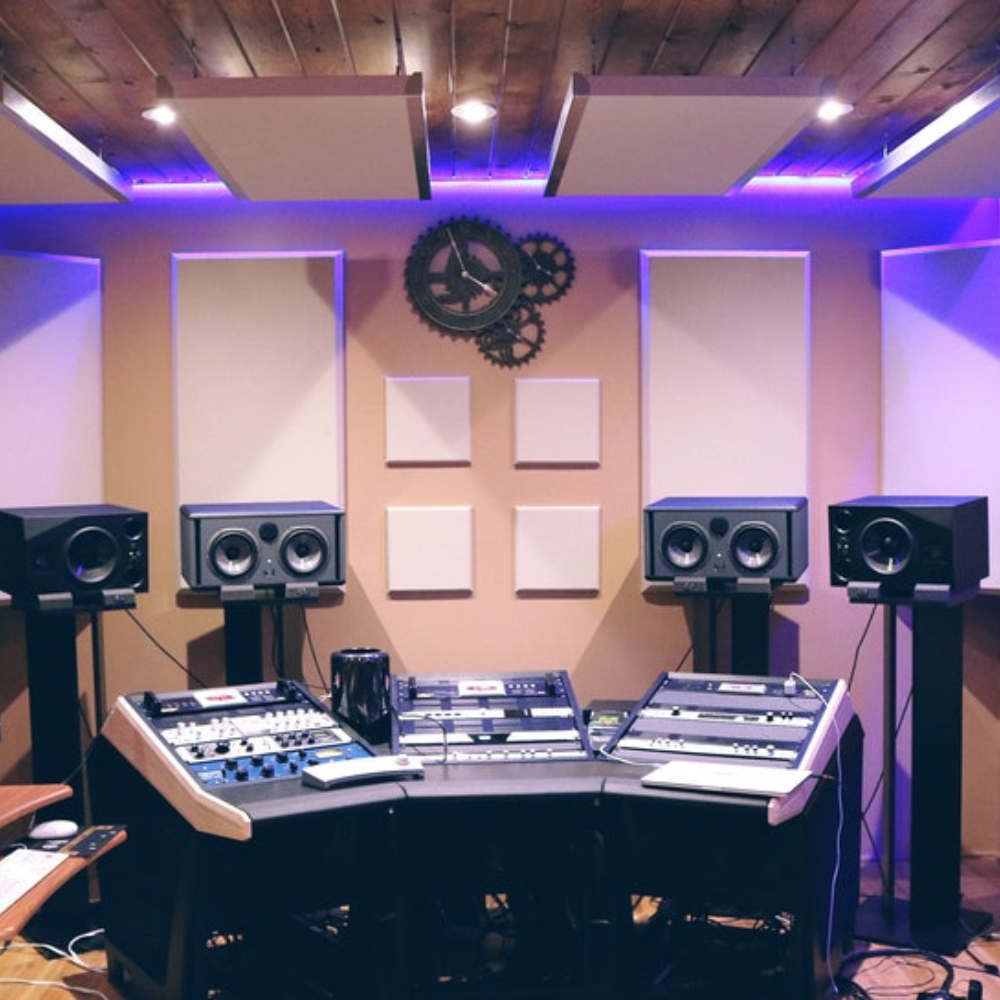
The UAE climate brings high outdoor humidity for much of the year, and it finds its way into studios through doors, ventilation and the daily traffic of musicians and clients. Excess moisture settles into walls, acoustic panels, flooring and sensitive equipment; over time this leads to material deterioration, mould and equipment faults.
Most instrument and equipment manufacturers recommend a stable relative humidity somewhere between 40 and 55 %. Measure it with a hygrometer at the height of the equipment, and aim for stability rather than a single perfect number: swings are what move wood and stress electronics.
How Humidity Damages Instruments and Equipment
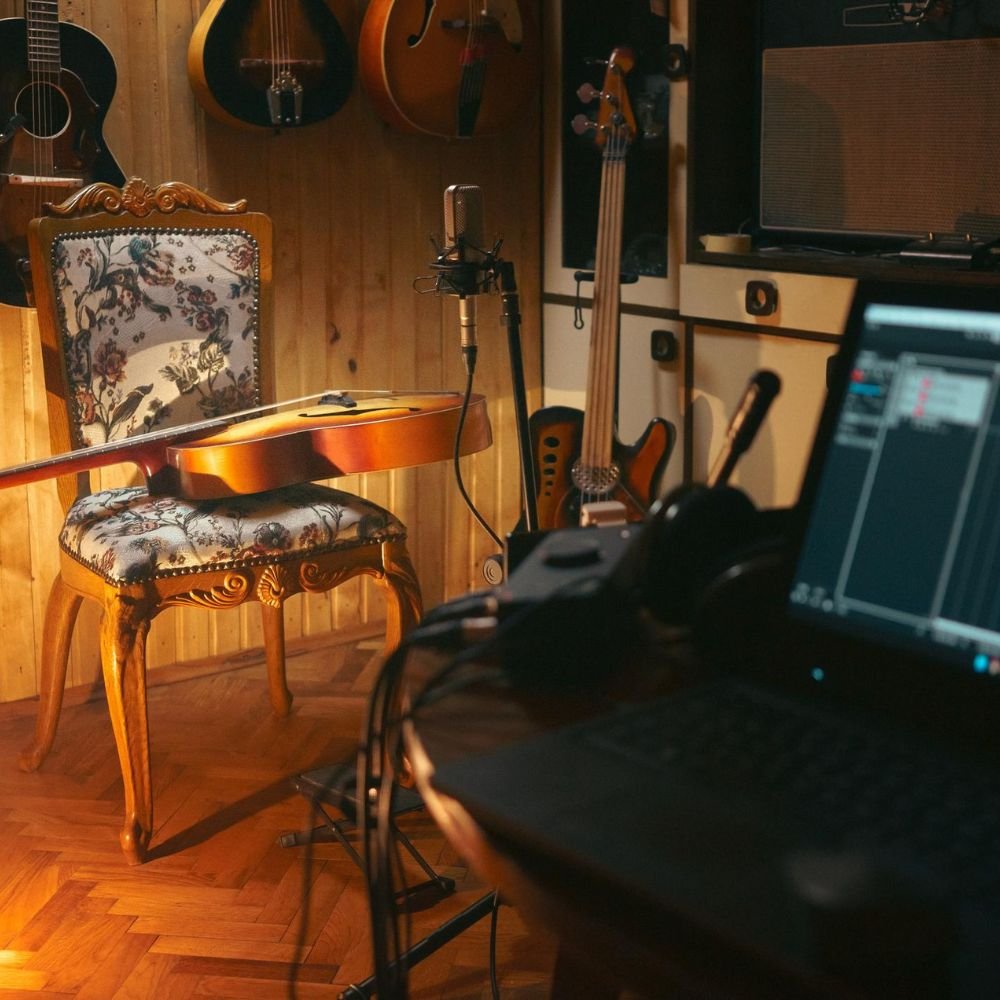
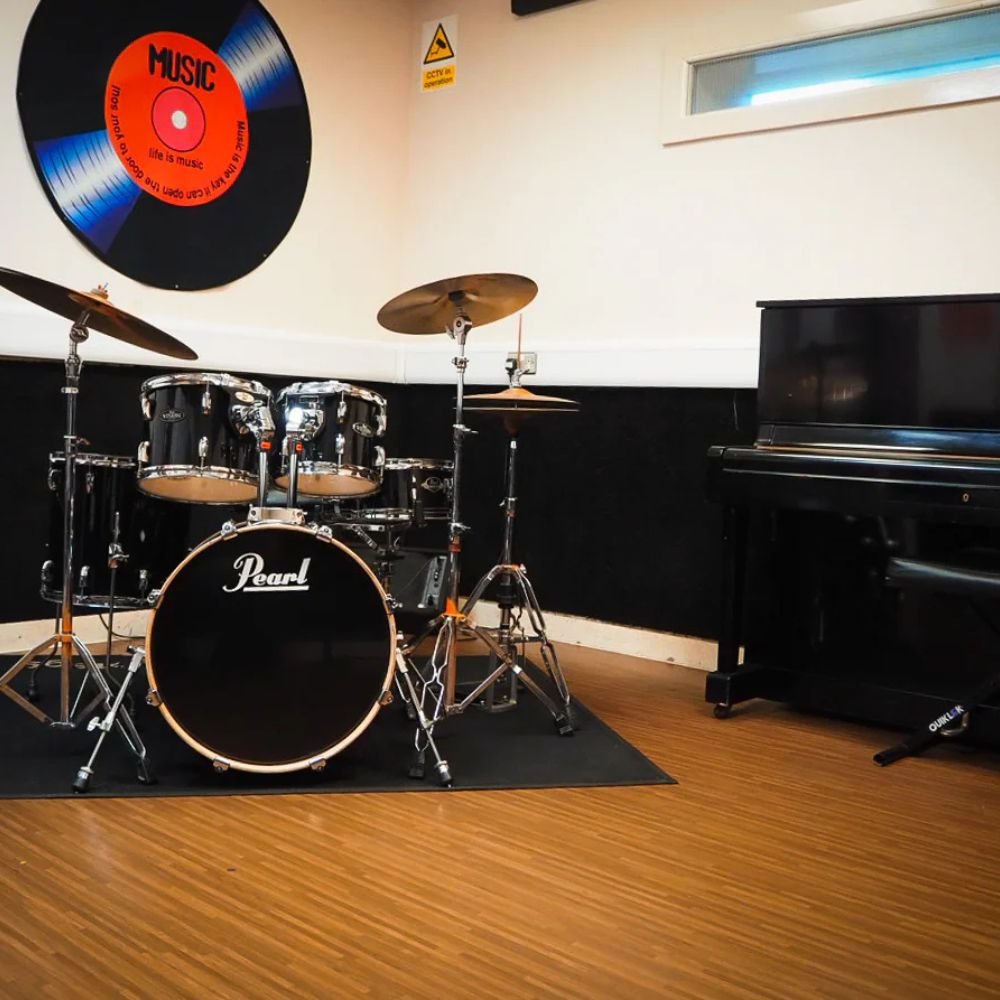
Wooden instruments such as guitars and pianos are highly sensitive to moisture fluctuations. High humidity in Dubai can cause wood expansion, warped necks, tuning instability, and tonal changes. In professional production environments, even minor tonal variations can affect recording accuracy.
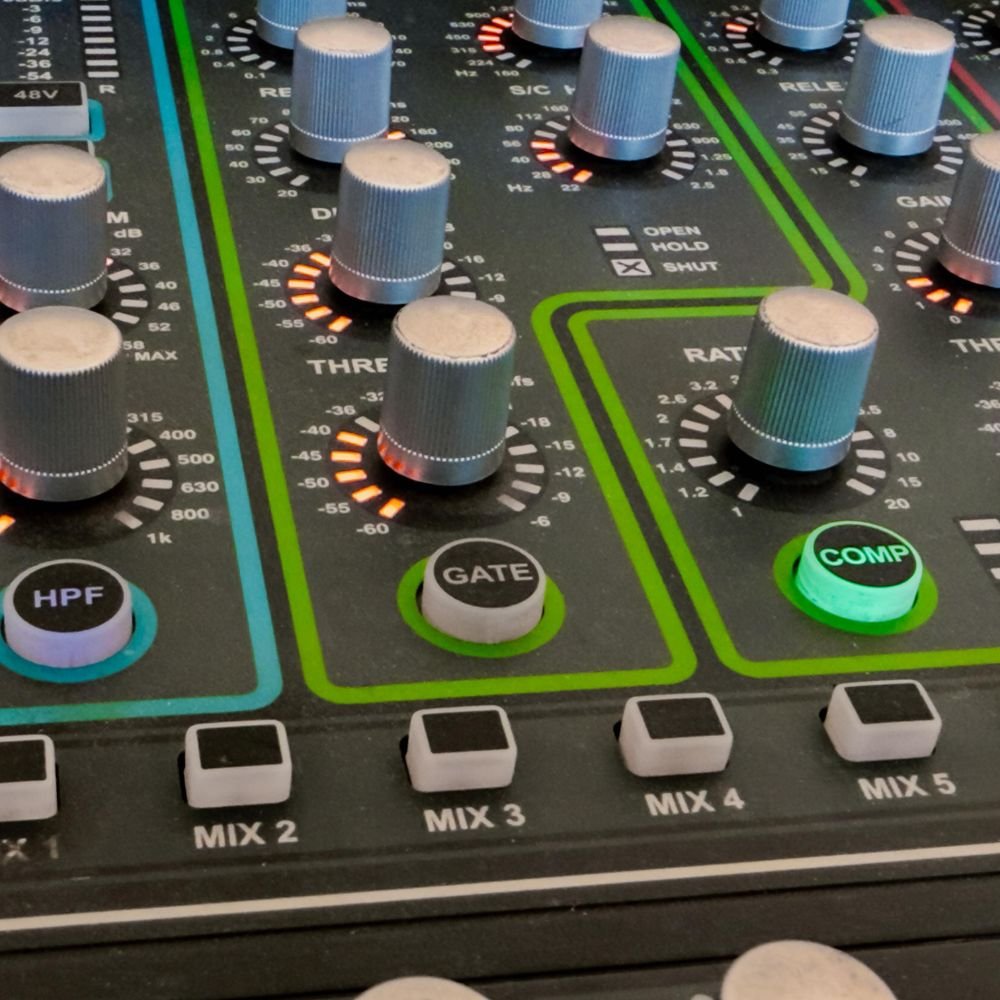
Electronic studio equipment is equally vulnerable. Mixing consoles, condenser microphones, and audio interfaces contain delicate internal circuits that may corrode in humid conditions. Oxidation can result in crackling sounds, reduced signal clarity, and premature equipment failure. For commercial music studios in the UAE, equipment downtime can directly impact revenue and client satisfaction.
Why Air Conditioning Is Not Enough
Many studio owners assume the air conditioning handles humidity. Air conditioning can remove moisture as part of the cooling process, but it may not maintain the desired indoor relative humidity under every operating condition – a cold, well-insulated studio reaches its set temperature quickly and the system switches off before much moisture has been removed, and humidity climbs again during breaks and overnight.
A dehumidifier with a digital hygrostat holds the level you set regardless of what the cooling is doing, which is what recording rooms, podcast studios, rehearsal spaces and production houses actually need.
Choosing a dehumidifier for a studio in the UAE
For a studio, two specifications matter more than anything else: the rated room size and the noise level at the setting you will actually use. Compare the lowest dB(A) figure, not the maximum.
The Stadler Form range covers three sizes. Stadler Form Albert (up to 20 L/day, rooms up to 70 m²) is the quietest at 33–44 dB(A), which makes it the natural choice for a control room, vocal booth or home studio where the unit runs while you record and mix. Stadler Form Lukas (up to 20 L/day, 70 m²) adds Wi-Fi control at 38–52 dB(A). For a genuinely large live room, an open-plan production floor or a facility with several connected rooms, Stadler Form Lukas Pro is the higher-capacity option: rated extraction up to 50 L/day, coverage up to 175 m², a HEPA H11 filter for dust and a night mode from 38 dB(A). Theo (10 L/day, 40 m²) suits an instrument storage room.
Match the unit to the measured humidity and the size of the room rather than buying the largest model; a 50-litre unit in a 20 m² booth is unnecessary, while a 20-litre unit in a 150 m² live room will run continuously and fall behind.
A Smart Investment for UAE Studios
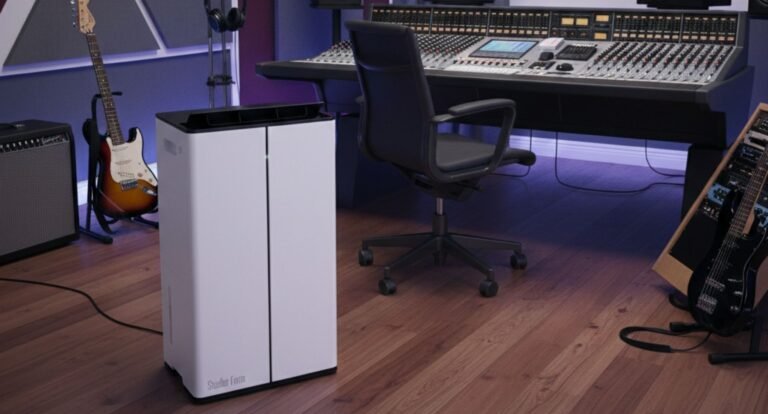
For studios in Dubai, Abu Dhabi and across the UAE, humidity control protects creative investments: stable humidity keeps instruments in tune, slows corrosion in electronics and helps prevent the mould that damages acoustic treatment.
Choose the model for the room – Albert where quiet matters most, Lukas Pro where capacity does – and connect the drainage hose so the unit can run unattended between sessions. Our Albert vs Lukas vs Lukas Pro comparison sets the three models side by side.
In a region where humidity is a constant, a correctly sized, quiet dehumidifier is part of the studio’s equipment, not an accessory.
Frequently asked questions
Stadler Form Albert, at 33–44 dB(A) with a night mode, is the quietest model in the range and rated for rooms up to 70 m² – the natural choice for control rooms, vocal booths and home studios. For a large live room or production floor, Lukas Pro (up to 50 L/day, 175 m²) runs from 38 dB(A) in night mode.
Most instrument and equipment manufacturers recommend a stable 40–55 % relative humidity. Measure with a hygrometer at equipment height and aim for stability: humidity swings, not a single number, are what move wood and stress electronics.